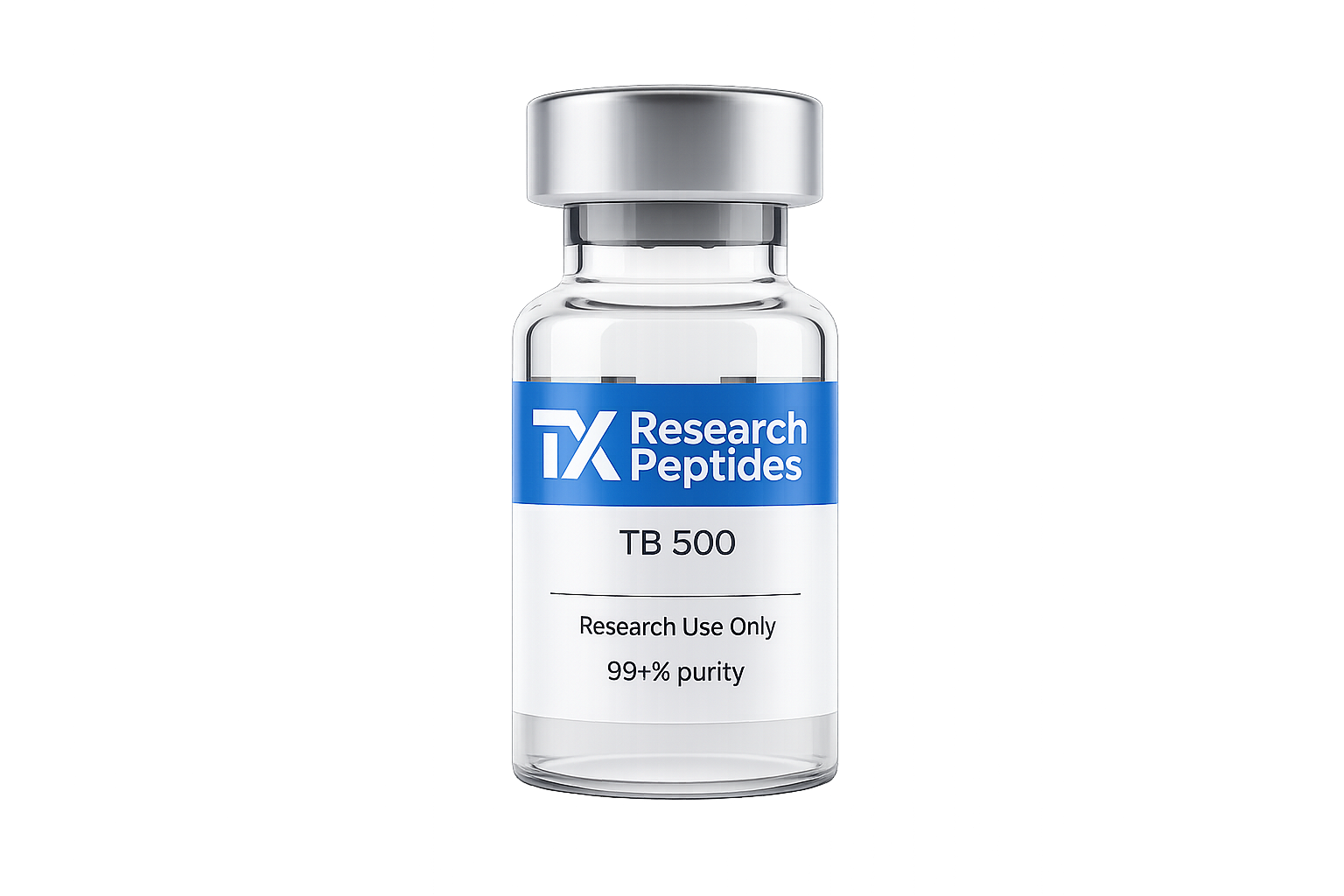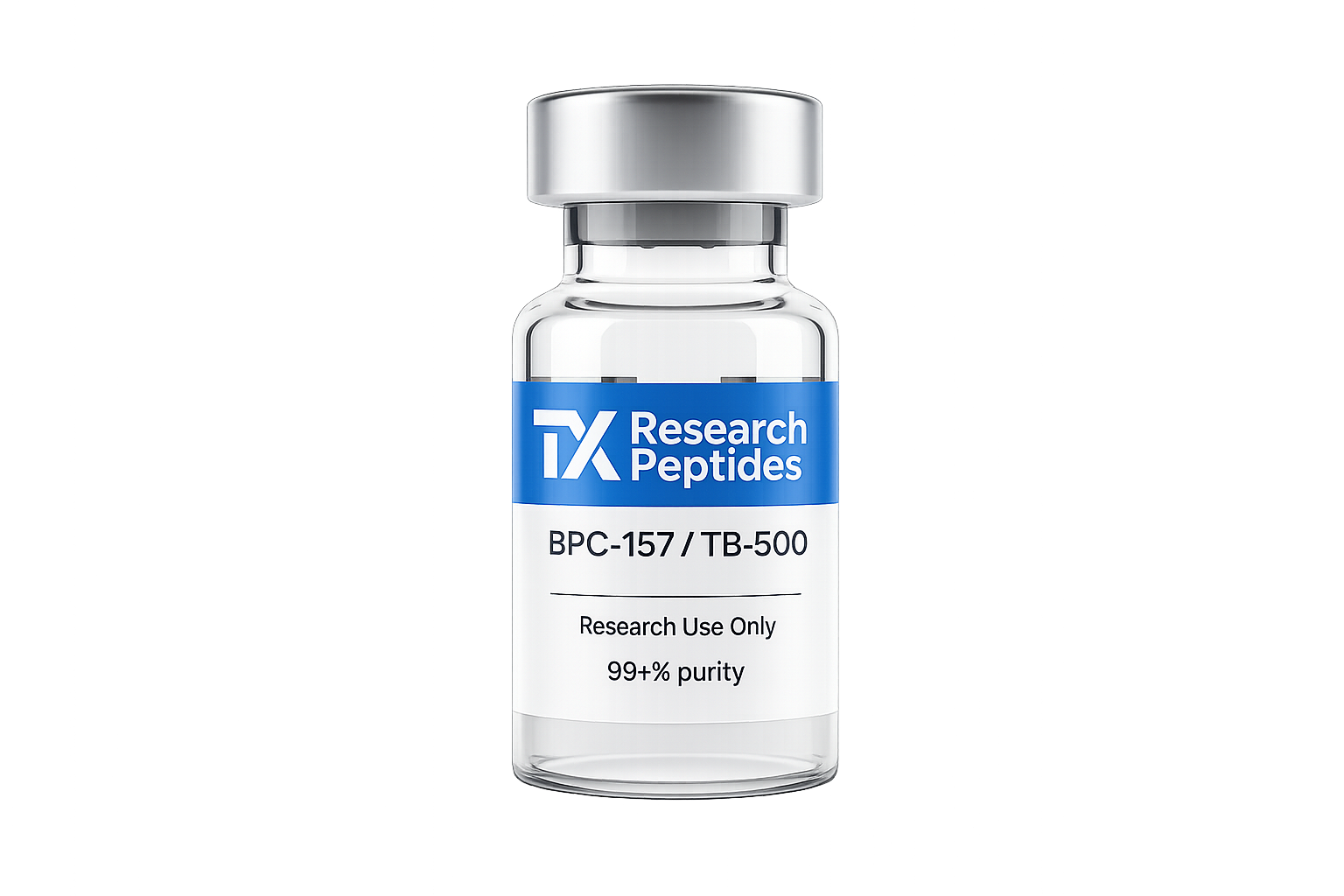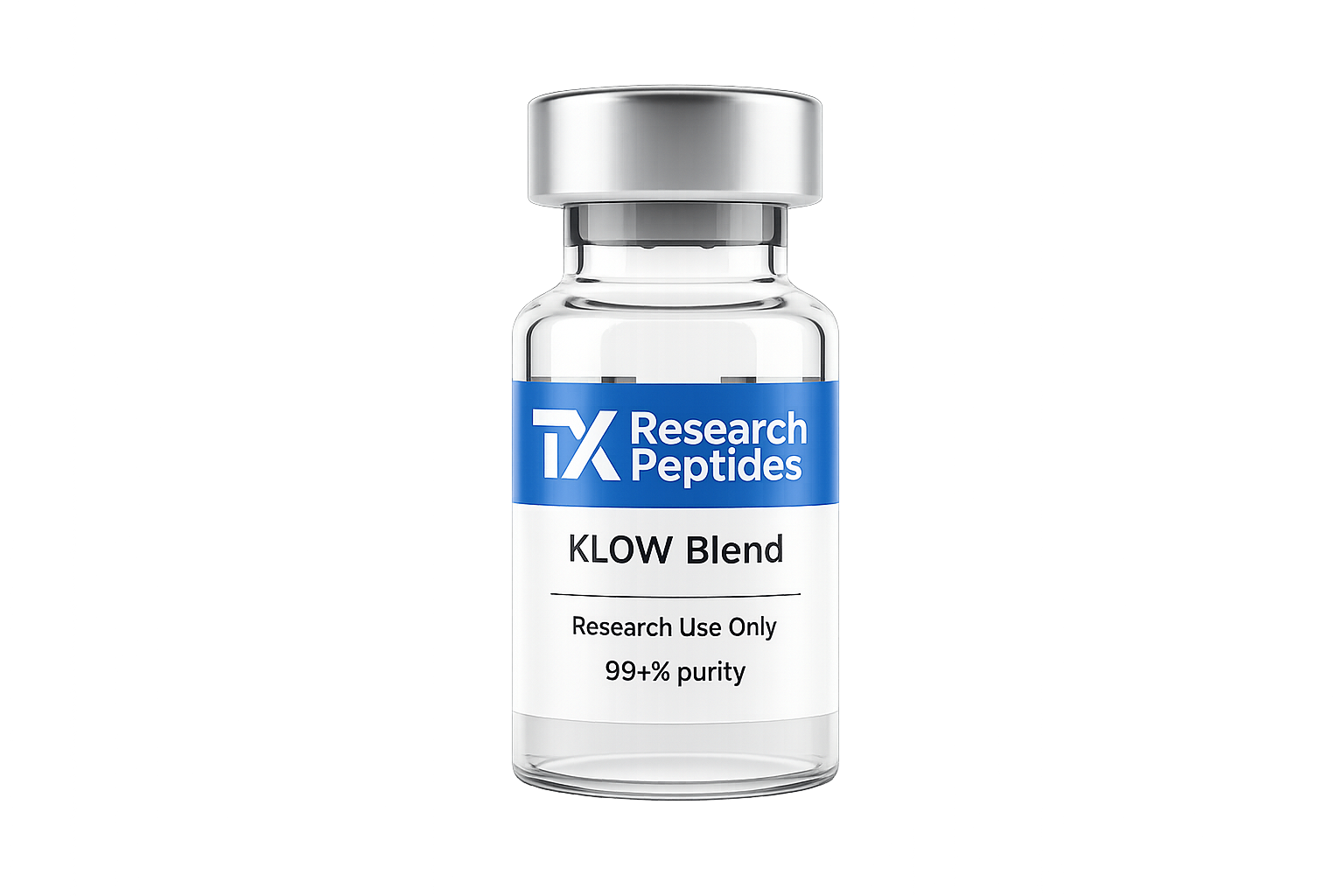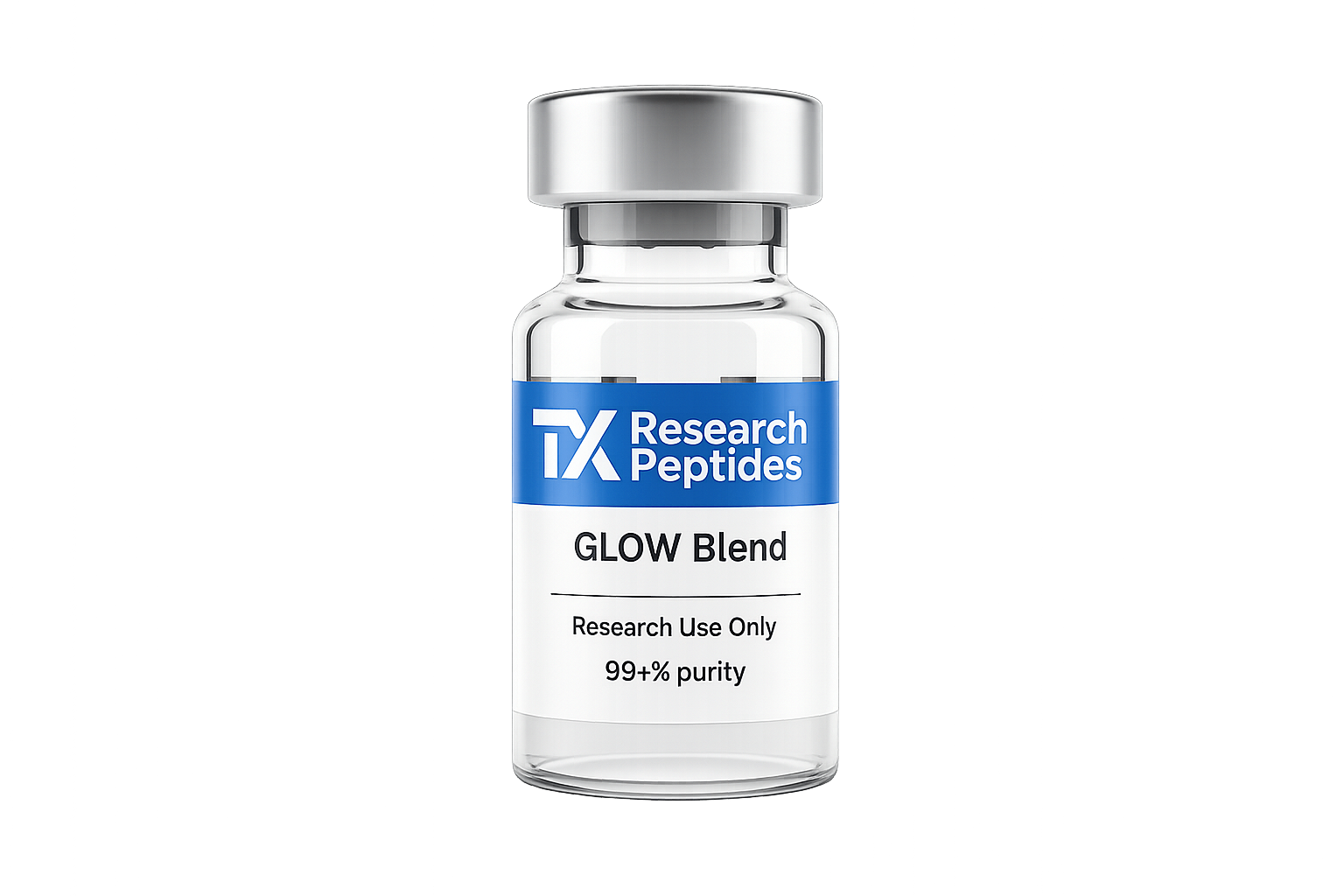
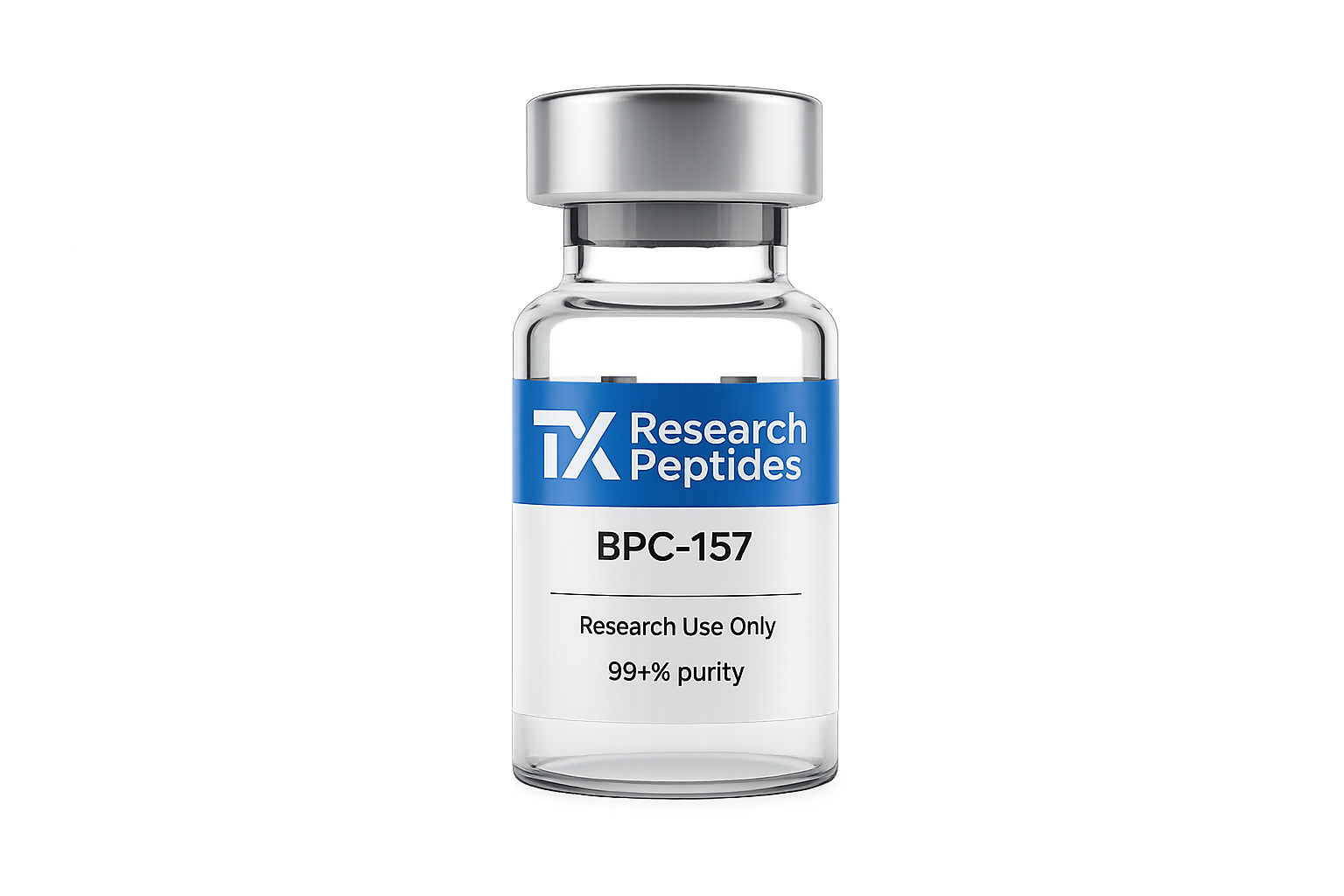
 ≥99% Purity
Regenerative & Repair
BPC-157
Pentadecapeptide widely studied for tissue repair mechanisms.
Strength
💰 Mix & match bundle pricing
5+ vials 15% off · 10+ vials 25% off
Any mix of products counts — the discount applies to your whole cart at checkout. (Supplies like bacteriostatic water don't count.)
Need larger volumes? Bulk & wholesale pricing available — apply for wholesale.
About this compound
Molecular Specifications
BPC-157 (Body Protection Compound-157) is a synthetic pentadecapeptide (15 amino acids) derived from a portion of the human gastric juice protein BPC. Its amino acid sequence — Gly-Glu-Pro-Pro-Pro-Gly-Lys-Pro-Ala-Asp-Asp-Ala-Gly-Leu-Val — has been studied extensively in preclinical settings since the early 1990s, primarily through the laboratory of Dr. Predrag Sikiric at the University of Zagreb.
BPC-157 is unusual among research peptides in its demonstrated stability in aqueous solution under physiological conditions, making it practical for a wide range of in-vitro and in-vivo research protocols without the stability concerns that limit many larger peptides.
Mechanism of Action
Nitric oxide (NO) pathway: Published preclinical studies document BPC-157's interactions with eNOS (endothelial nitric oxide synthase), the enzyme responsible for vascular NO production. Multiple animal model studies have associated BPC-157 with protective vascular effects attributed to NO pathway modulation.
Growth factor upregulation: In-vitro and animal studies have observed upregulation of growth hormone receptor expression in tendon fibroblasts and interaction with VEGF (vascular endothelial growth factor), a key angiogenesis mediator.
FAK-paxillin pathway: Research in tendon healing models has investigated BPC-157's interaction with focal adhesion kinase (FAK) and paxillin — proteins central to cell adhesion, migration, and proliferation signaling cascades.
Gastrointestinal cytoprotection: Among the earliest and most replicated BPC-157 findings are its gastric mucosal protective effects in rodent models, documented across multiple chemical challenge models.
↗ Sikiric P et al. (2018). Brain-gut Axis and Pentadecapeptide BPC 157. Curr Neuropharmacol. PubMed: 29473496
↗ Gwyer D et al. (2019). Gastric pentadecapeptide BPC 157 and musculotendinous healing. Cell Tissue Res. PubMed: 30343396
Research Applications
- Gastrointestinal mucosal protection mechanism studies
- Tendon and ligament repair pathway investigation
- Nitric oxide system interactions in vascular research
- Angiogenesis and VEGF pathway studies
- Bone healing models in preclinical research
- Neurotransmitter system (dopamine, serotonin) studies
- Wound healing cascade research
Storage & Handling
Store lyophilized powder at −20°C for long-term stability; short-term 2–8°C is acceptable. Reconstitute with bacteriostatic water; keep refrigerated at 2–8°C after reconstitution and use within typical research timelines.
For laboratory and research use only. Not for human or veterinary use, diagnostic, or therapeutic applications. Statements have not been evaluated by the FDA.
Research Disclaimer: The information below is provided for laboratory and research-use-only educational purposes. It is not medical advice. BPC-157 is not intended for human or veterinary use, diagnosis, or therapy, and statements have not been evaluated by the FDA.
Compound Overview
What is BPC-157?
Research Applications
BPC-157 in research models
Mechanism of Action
Receptor & pathway interactions studied
Purity & Testing
HPLC + mass-spec verification
Storage & Reconstitution
Handling lyophilized peptides
Researchers typically reconstitute with bacteriostatic water. Browse research supplies →
Frequently Asked
BPC-157 research FAQ
What purity is BPC-157 tested to?+
Every batch of BPC-157 is tested by HPLC for purity (≥99% by area) and confirmed by mass spectrometry. The lot-specific Certificate of Analysis is available on this product page.
Is BPC-157 intended for human use?+
No. BPC-157 is supplied strictly for laboratory and research-use-only investigation. It is not intended for human or veterinary use, diagnosis, or therapy.
How should BPC-157 be stored?+
Store the lyophilized powder at −20°C for long-term stability. After reconstitution with bacteriostatic water, store at 2–8°C and use within typical research timelines.
Do you ship within the United States?+
Yes. TX Research Peptides ships BPC-157 domestically within the US with flat-rate shipping. Orders ship from the US for fast delivery to research labs.
Continue researching
Related compounds
Customer Reviews
What researchers say about BPC-157
—
Be the first to review
Loading reviews…
Related Compounds